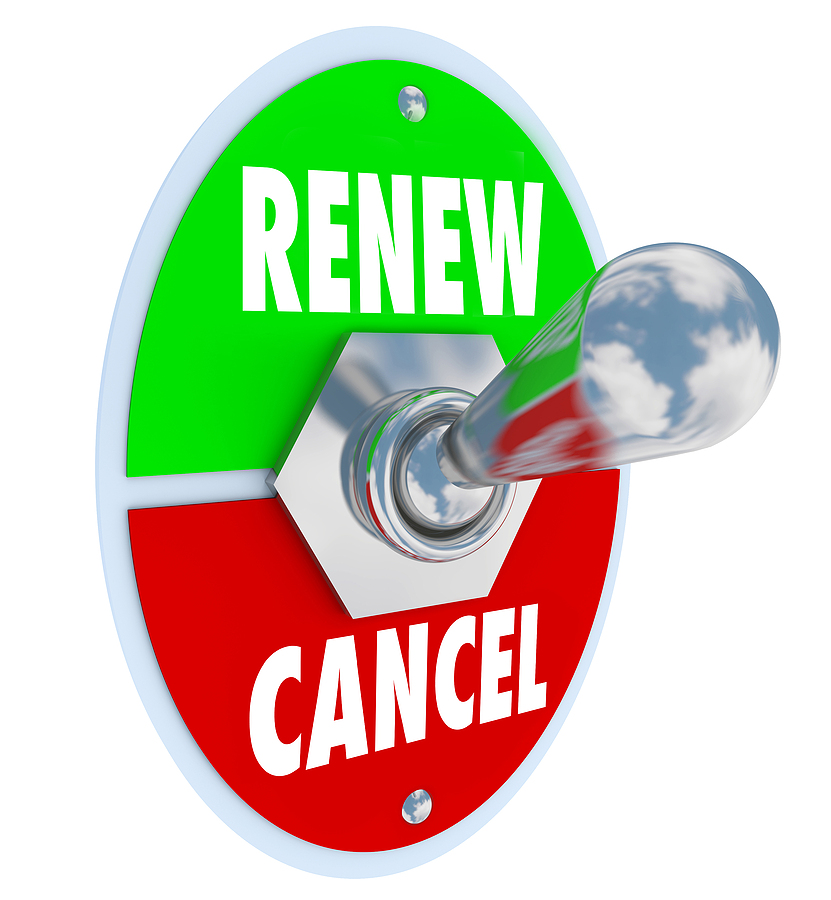
 A bipartisan group of House lawmakers reintroduced the Unsubscribe Act on January 13, 2026, reviving legislation that would require subscription cancellation to be as easy as signing up, while adding guardrails around free trials and recurring consumer notices.
The bill is sponsored by Rep. Mark Takano (D-CA) along with Rep. Mark Amodei (R-NV) and Rep. Seth Magaziner (D-RI).
Takano has pursued versions of the Unsubscribe Act for years. This is the first time the bill has drawn a Republican House co-sponsor, according to The Guardian.
“During a time when everything is more expensive, corporations are cashing in subscription models that rely on a consumer forgetting to cancel a free trial,” said Rep. Takano.
“Subscription traps have become an accepted inconvenience for American consumers,” said Rep. Amodei. “Too many companies rely on deceptive business models that force people to jump through hoops just to cancel.”
“Too many […] Americans across the country have been tricked into paying monthly subscriptions they didn’t knowingly agree to, and that companies make nearly impossible to cancel,” said Rep. Magaziner. “The Unsubscribe Act puts an end to these shady corporate tactics and puts power back in the hands of consumers who work hard for their money.”
Companion, bipartisan legislation has been introduced in the Senate by Senators Brian Schatz (D-HI) and John Kenedy (R-LA).
What the Unsubscribe Act would require
Takano’s office frames the legislation as a response to subscription cancellation processes that consumers find difficult to navigate. The proposal is aimed at “negative option” billing, a structure where a consumer’s inaction (for example, not canceling) can be treated as consent to ongoing charges.
In the materials circulated about the bill, Takano’s office highlights four core requirements:
-
Cancellation parity: consumers should be able to cancel as easily as they signed up
-
Affirmative consent before charging after a free or reduced-cost trial
-
Periodic notifications about charges, changes, and how to cancel
-
A ban on automatic enrollment of consumers into a contract
Takano described the principle succinctly in an interview with The Guardian: “Cancelling a subscription should be just as easy as signing up for one.”
Not new: the bill’s long runway
While the House action is new this week, the Unsubscribe Act itself is not new. Takano introduced a version of the bill in 2017 and reintroduced it again in 2021, as part of a broader push to limit abusive negative option practices.
There is also a Senate version in circulation from last year: S. 2253, introduced July 10, 2025 by Sens. Brian Schatz (D-HI) and John Kennedy (R-LA).
How this connects to “click-to-cancel” at the FTC
This renewed congressional push lands after the FTC’s own attempt to modernize its Negative Option Rule, commonly referred to as “click-to-cancel,” was vacated by the U.S. Court of Appeals for the Eighth Circuit on July 8, 2025, based on procedural issues rather than the merits of easier cancellation protections.
More recently, consumer groups petitioned the FTC to restart the rulemaking through a renewal process. The FTC accepted public comment via a Federal Register notice that set a deadline of January 2, 2026. Subscription Insider reviewed the filings and detailed the fault lines in the record, including debate over scope, “save” offers, and exemptions.
INSIDER TAKE
The operational signal for subscription executives is straightforward: cancellation architecture is now treated as a compliance requirement, not a “nice to have” customer experience improvement. The bipartisan House framing increases the odds that cancellation parity remains on the federal agenda even as the FTC decides whether and how to restart its rulemaking.
What operators should pressure-test now
-
Cancellation parity across channels
Most companies have multiple subscription entry points (direct web, mobile web, in-app, partner or bundle). Risk tends to build in the inconsistencies. If your acquisition flow is standardized but cancellation varies by SKU or channel, that is a vulnerability. -
Trial-to-paid conversion and proof of consent
The bill’s emphasis on affirmative consent after free or reduced-cost trials is a reminder that “consent mechanics” are as important as disclosures. Product, legal, and payments teams should align on what constitutes affirmative consent in your flow and how you can evidence it later (logging, timestamps, versioned terms). -
Periodic notifications are an operational lift
Recurring notices sound simple but create real obligations: data accuracy, deliverability, localization, timing logic, and governance over what is sent and when. Depending on execution, notices can reduce disputes and chargebacks, but they can also increase churn by prompting reassessment. -
Expect cross-functional ownership, not a single-team fix
The highest-risk failures typically show up in the seams: the cancellation path is simplified, but the help center is outdated; billing changes, but notices do not reflect it; app store instructions do not match your owned-channel language.