
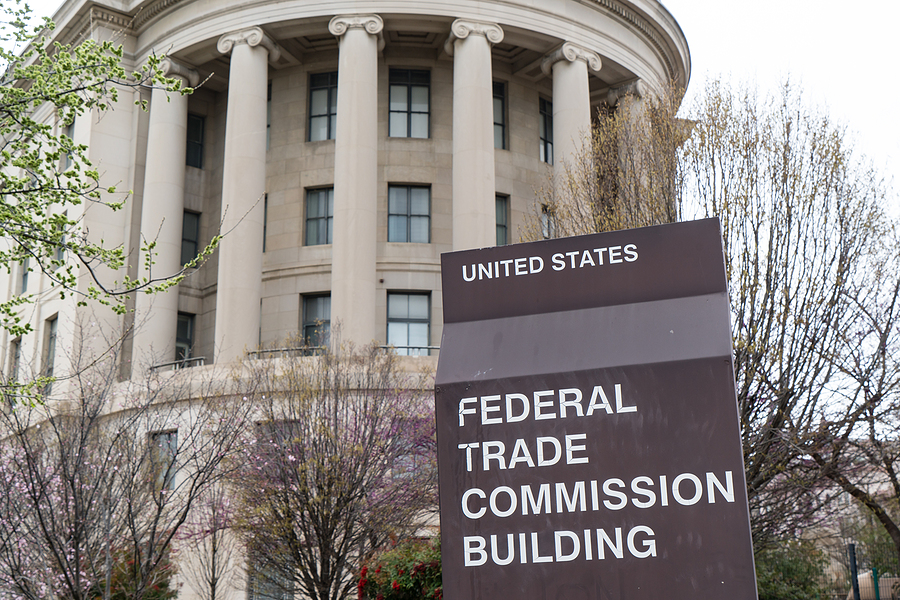
 The Federal Trade Commission is sending more than $27.6 million in refunds to 1,215,337 consumers harmed by unauthorized billing schemes involving continuity plans and “free gift” shipping-fee offers that triggered recurring charges. Payments are being issued between now and December 18, 2025, primarily by mailed check, with some refunds delivered via PayPal.
Case background
In July 2024, the FTC said a federal court unsealed its complaint alleging that related defendants enrolled consumers—without their knowledge—into continuity plans where they were shipped and charged repeatedly for products they did not agree to purchase, including “free” CBD/keto product promotions that allegedly converted into unwanted recurring charges.
In September 2024, the FTC announced settlements approved by a federal court requiring forfeiture of assets valued at about $40 million and imposing permanent bans and restrictions, including bans tied to negative option features.
Refund mechanics and consumer-facing guardrails
The FTC notes it is issuing refunds by check and PayPal in this program, with checks typically needing to be cashed within 90 days and PayPal payments redeemed within 30 days.
For operators tracking “how refunds work,” the FTC’s refund FAQ reiterates that the agency sends refunds via multiple methods (including check, prepaid debit card, PayPal, and Zelle) and emphasizes that the FTC never requires consumers to pay or provide sensitive account information to receive refunds.
Why refunds often arrive later than the headline enforcement moment
The FTC explains that it generally cannot send payments until legal action is complete and funds are collected—helpful framing when readers wonder why refunds follow months later.
INSIDER TAKE
For legitimate subscription operators, this update is a useful “risk pattern” reminder, not a niche supplement story.
-
Treat “free gift + shipping” flows like subscription sign-ups
If a low-friction offer can later trigger continuity, your disclosure, consent capture, and post-purchase notices need to be subscription-grade. -
Continuity-plan consent has to be explicit and auditable
If you can’t confidently demonstrate what the customer agreed to (price, cadence, and how to cancel), assume you have refund/dispute exposure. -
Negative option and forced upsells remain enforcement hot buttons
The 2024 settlement language includes bans tied to negative option features and “forced upsell” mechanics (including pre-checked boxes). Even if your business is compliant, your UX patterns should be reviewed through that lens. -
Operational takeaway: compliance failures become payments costs
Refunds, disputes, and chargebacks are downstream expressions of the same root issue: unclear consent + recurring charges + cancellation friction.