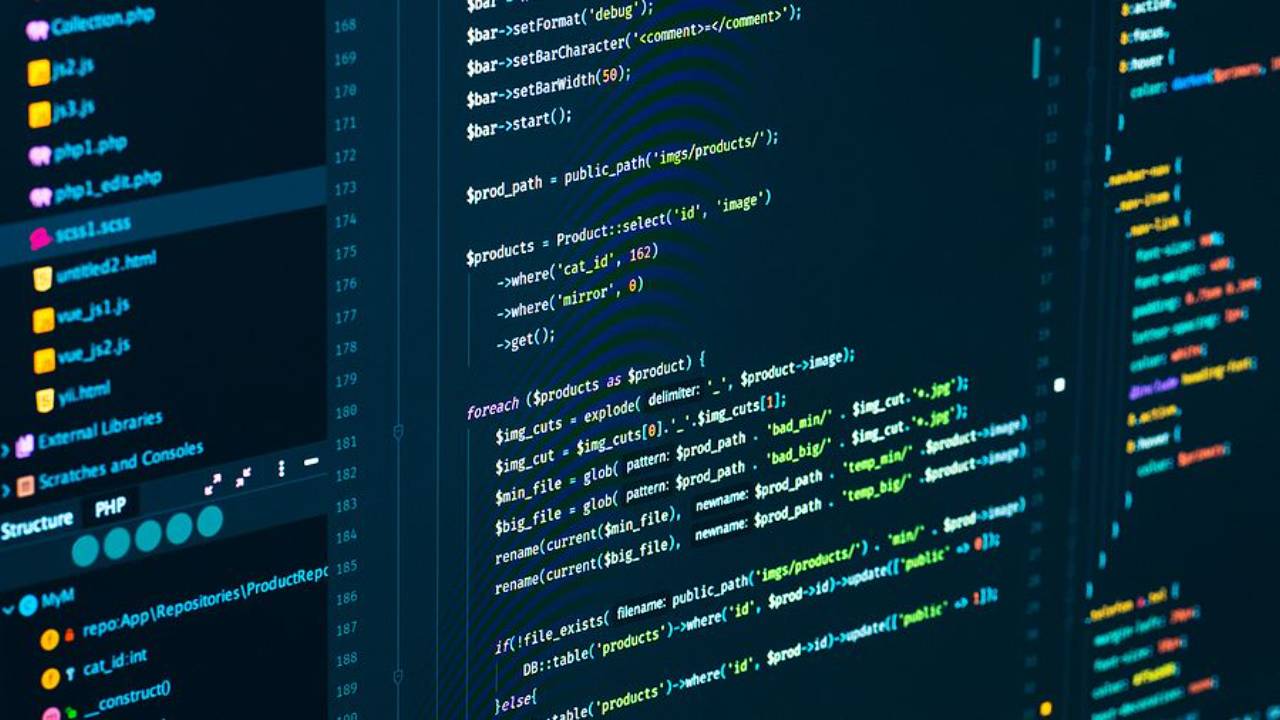
PHP Security Emergency Reaches Subscription Businesses
Oct 23, 2026Urgent repairs to software behind websites and online stores raise questions about service availability, customer access and the systems subscription businesses depend on.
A major security emergency involving PHP, software used behind many websites and online stores, has prompted urgent repairs across the industry. For subscription businesses, the concern extends to the systems that keep paid services running, even when the underlying technology is managed by another provider.
Two critical flaws in PHP could allow attackers to run commands on affected servers without signing in. PHP's maintainers released fixes on October 21 for the weaknesses, known together as PHP2Shell.
Amazon's security researchers have reported widespread attempts to exploit the flaws. Those findings don't establish that an attack succeeded at a particular business or that subscribers' information was exposed.
Technology Providers Respond to the Emergency
The vulnerabilities affect software used behind websites, online stores and digital services, including systems that support subscription billing and customer accounts.
WooCommerce, which provides software for online stores and recurring subscriptions, has urged businesses to update the PHP running beneath their websites. Updating WordPress or WooCommerce alone won't resolve the vulnerabilities. The team or provider responsible for PHP needs to confirm that the fixes have been applied and review the maintainers' October 23 follow-up guidance.
Several major providers have already taken action on behalf of their customers.
Automattic, the company behind WordPress.com, said on October 21 that sites on WordPress.com, WordPress VIP, WP Cloud, Pressable and Tumblr were protected. GoDaddy reported that it had patched its Managed WordPress, Windows Hosting and Web Hosting services by October 22.
For businesses using these managed services, much of the immediate work may already be complete. Organizations operating their own PHP servers, or relying on other technology partners, may still need to confirm their systems' status.
When Security Repairs Interrupt Paid Access
The urgency of the situation has also raised questions about keeping services available while repairs are underway.
The UK's National Cyber Security Centre advised organizations that couldn't apply repairs or temporary protections quickly to consider taking affected systems offline.
One company that temporarily restricted customer access was Square Enix, the Japanese game publisher. It suspended new logins to its paid online game Final Fantasy XIV for about a day while completing emergency PHP security work. Logins resumed October 22.
The following day, Square Enix announced that eligible accounts would receive an additional day of game time, with the extensions scheduled to begin October 28.
It's one example of how responding to a security emergency can affect paying customers, even when the interruption is a precaution rather than the result of a confirmed breach.
Insider Take
What's striking about the PHP emergency is how differently the same security problem can play out across subscription businesses.
For some, the hosting provider handled the repairs and customers may never have noticed. Others faced decisions about restricting access while their systems were secured. Square Enix's decision to extend game time shows how those decisions can reach subscribers.
There's an interesting business question here. A subscription company may depend on technology that another company maintains, but customers experience the service as a whole. They don't necessarily know which provider is responsible for the software behind it, or why access has been interrupted.
That leaves subscription businesses dealing with two different parts of the same incident: getting the technology secured and determining what the interruption means for customers.
The repairs may happen behind the scenes. The customer experience doesn't always stay there.
Related Member Resources
When security work interrupts a paid service, customers need to know what they can still use and where to get help. After repairs, operators need to check that subscribers can get back to the service they’re paying for.
- Subscriber Journey Mapping & Audit Guide (Includes Worksheet): Find Friction, Document the Experience and Reduce Risk
This guide and worksheet help teams walk through the service as a subscriber, record what actually happens and identify who owns a problem. Use them after emergency repairs to test login and account controls, then document any remaining access problems for follow-up.
Sources
- PHP: 2026 security releases and advisories
- Amazon Web Services: PHP2Shell exploitation report
- WordPress: Critical PHP security release
- WooCommerce: PHP security release advisory
- Automattic: PHP2Shell protection statement
- GoDaddy: Important PHP security update
- UK National Cyber Security Centre: Critical security issue affecting PHP
- Final Fantasy XIV: Login restoration notice
- Final Fantasy XIV: Game-time compensation announcement
Reported by: