KAYAK Co-Founders Launch Lola With Free AI Travel and Paid Memberships
Sep 30, 2026The new service keeps its core AI travel experience free while paid plans at $5 and $25 a month offer better rates, reservation access and concierge help with a 12-month commitment.
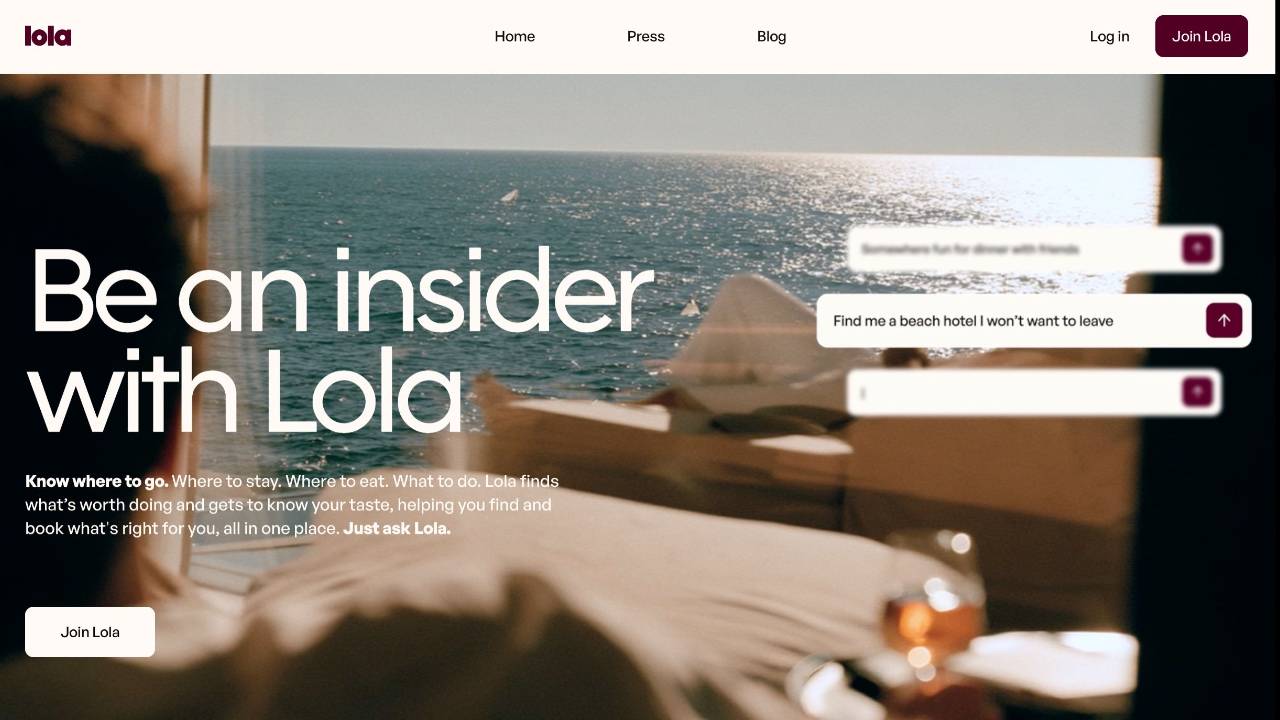
Lola, the new AI travel and experiences service from KAYAK co-founders Steve Hafner and Paul English, debuted September 29 with a free membership and two paid plans scheduled to follow this fall.
Lola is owned by Booking Holdings, the company behind Booking.com, Priceline, KAYAK, Agoda and OpenTable. It draws on inventory and capabilities from those businesses while also working with outside companies for activities, events and transportation.
For subscription operators, the more interesting part of the launch is what Lola has decided to give away and what it expects customers to pay for.
The Core Experience Is Free
Free members can use Lola to search for hotels, restaurants and experiences, get personalized recommendations, see current pricing and availability, make bookings and save their preferences.
Plus is currently advertised at $5 a month with a 12-month commitment. Benefits include hotel savings of up to 10%, earlier access to some restaurant reservations, GetYourGuide discounts, an Aero credit and quarterly concierge help.
VIP is currently advertised at $25 a month, also with a 12-month commitment. It includes hotel savings of up to 15%, OpenTable Gold, expanded restaurant access, transportation perks and more frequent concierge help.
Some benefits are still marked as coming later this fall. Plus and VIP are not yet open for enrollment.
Lola is not charging members to use the core AI experience. Paid members are being asked to pay for better prices, greater access and concierge help around the travel and experiences they book.
Free members can still use Lola and complete bookings. Lola is betting that the added savings, access and service will give some customers a reason to upgrade.
$5 a Month Comes With a 12-Month Commitment
Lola’s pricing page shows Plus at $5 per month and VIP at $25 per month, with “12 month commitment” directly beneath each price.
At the prices Lola currently advertises, Plus represents a $60 first-year commitment and VIP a $300 first-year commitment.
The legal terms make the commitment even clearer. Subscribers agree to pay the full membership fee for the first year whether they are billed monthly or annually. Canceling during that year does not end the remaining payment obligation.
After the first year, the membership renews month to month at the then-current monthly rate until canceled.
Lola also reserves the right to change or remove membership benefits as partner relationships and other circumstances change. Its terms say the loss of a specific benefit does not entitle the member to a refund.
So a customer is making a one-year financial commitment while some of the benefits included in the membership may change during that year.
Lola does put the 12-month commitment directly with the monthly price rather than leaving it only in the legal terms.
We still cannot see the full signup experience because the paid plans are not available for purchase. Once enrollment opens, we will be able to see how Lola presents the total first-year cost, what cancellation does and does not stop, and how renewal is explained before a customer subscribes.
Adobe agreed in March to resolve a federal case involving a different annual-paid-monthly subscription structure. The government alleged, among other things, that Adobe did not adequately disclose its early termination fees during enrollment.
Lola’s structure is different. It does not describe a separate early termination fee. Its terms say the customer remains responsible for the full first-year membership amount.
For any subscription company selling a one-year commitment through a monthly price, customers need to understand the full financial commitment when they sign up.
Lola Can Make Money From Memberships and Bookings
Membership fees are one part of Lola’s business.
Paul English told the Boston Business Journal that Lola expects to make money from memberships and vendor commissions.
Skift reports that Lola’s paid membership model can also support lower member prices by passing along commission the company might otherwise keep.
Lola has not disclosed exactly how that works across Free, Plus and VIP.
A free member can still book through Lola, giving the company an opportunity to earn revenue from the transaction. Plus and VIP add recurring membership revenue from customers who want the extra savings and access.
That model also has the backing of a large travel network. Lola can connect customers with Booking Holdings businesses and outside partners including GetYourGuide, SeatGeek, ResX, BLADE and Aero.
Not everything announced at launch is available yet. Travel Weekly reports that Lola can currently book hotels and restaurants, with more categories expected to follow. Flights are planned for later.
What About Recommendations and Commissions?
Lola says vendor payments, paid placement, advertising and sponsorships do not influence its recommendations.
We found no evidence suggesting otherwise.
Lola is helping customers decide what to book while also earning money from some bookings. As AI takes a larger role in shopping and purchasing decisions, companies using this model will need to be clear about how recommendations are kept separate from commercial relationships.
Insider Take
Lola is giving subscription operators a useful example of how AI can fit into a membership model without becoming the paid product itself.
Free members can search, plan and book. Paid members get better rates, greater access and concierge help.
Lola can also earn money from bookings made through the service. That means free members can still generate revenue, while Plus and VIP create recurring revenue from customers who want more.
The strategy is straightforward: use AI to make the service useful to a broad audience, then charge for added value around the transactions customers are already making.
Lola is betting that better rates, access and concierge help will give some customers a reason to pay even though the core AI experience is free.
The next test is whether those benefits are strong enough to support a $60 or $300 first-year commitment.
Related Member Resources
Lola raises two questions subscription operators may face themselves: what should customers pay for when the core service is free, and how should a longer financial commitment be presented when the advertised price is monthly? These resources help teams work through both decisions.
- Adding a Paid Membership: When It Changes the Business Model
Adding a paid tier to a business that already serves customers for free changes more than the revenue model. This guide helps operators work through what customers are actually paying for and how membership fits alongside revenue already generated by the core service.
- Federal Online Subscription Enrollment, Consent, and Cancellation Brief
This brief explains the federal requirements that shape online subscription enrollment and cancellation. It can help teams review what customers see before agreeing to a recurring plan, especially when a monthly price carries a longer financial commitment.
Sources
- Lola, “Lola Launches AI-Powered Experiences, Memberships, and New Partners,” September 29, 2026.
- Lola, Membership Pricing and FAQ, accessed September 30, 2026.
- Lola, Terms of Use, revised September 16, 2026.
- Lola, Online Privacy Notice, revised September 16, 2026.
- Skift, “Kayak Co-Founders Launch Lola, Booking Holdings’ New AI Assistant,” September 29, 2026.
- Boston Business Journal, “‘The most important Lola:’ New AI company brings Paul English back to travel,” September 29, 2026.
- Travel Weekly, “Booking Holdings launches AI tool for restaurants and activities,” September 29, 2026.
- U.S. Department of Justice, Adobe subscription settlement announcement, March 13, 2026.
Reported by: