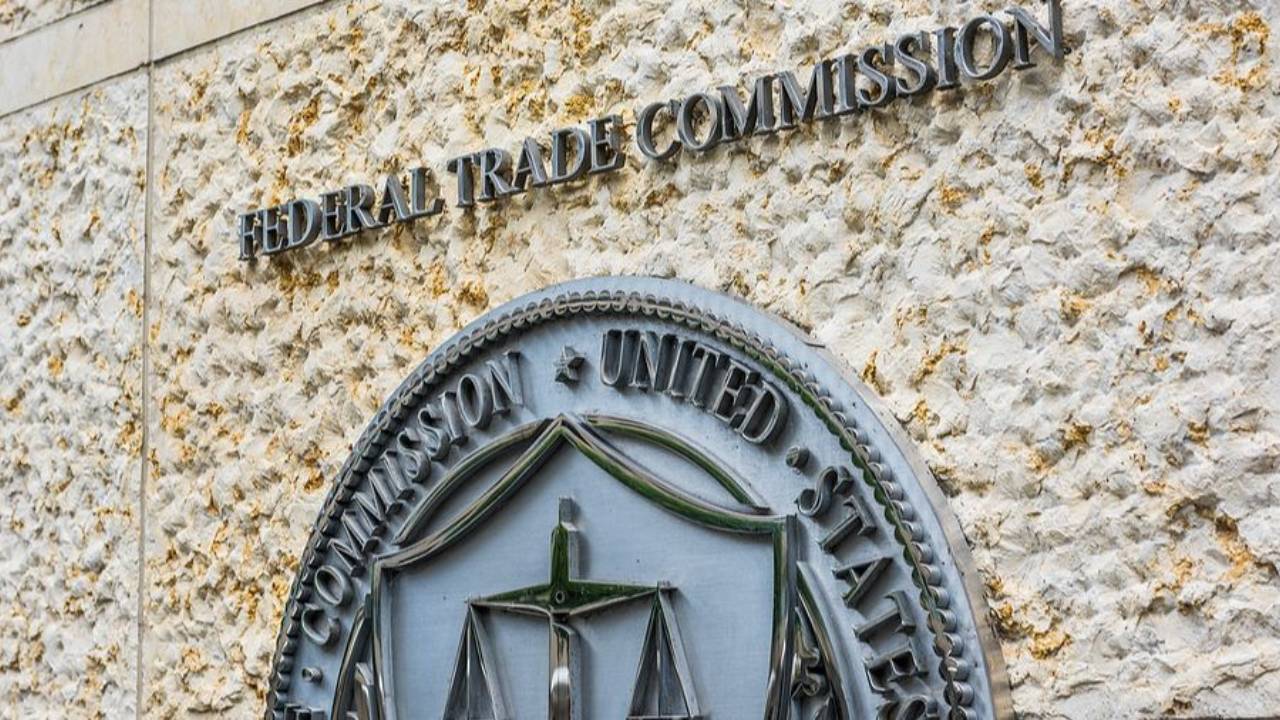
Nuvei to Pay $4.85M to Settle FTC Claims Over Merchant Screening
Sep 08, 2026Payment processor Nuvei has agreed to pay $4.85 million to settle Federal Trade Commission allegations that it opened and maintained payment processing accounts for merchants it knew or should have known were engaged in deceptive practices.
The proposed order would also require Nuvei to change how it screens merchants, monitors chargebacks and investigates clients when risk indicators reach specified levels. The $4.85 million would be used for consumer redress.
The case remains pending in federal court. Nuvei neither admits nor denies the allegations, except for facts needed to establish the court’s jurisdiction.
The FTC keeps following the payment chain
At the center of the case is Reimage, a tech-support company the FTC accused of using deceptive marketing to convince consumers to buy computer repair services.
Reimage and Restoro agreed in 2024 to pay $26 million to settle FTC charges. In 2025, the FTC reached a $5 million settlement with merchant-of-record provider Paddle over allegations that included facilitating payments for Reimage.
Now the agency has reached Nuvei, alleging that Nuvei and its subsidiaries processed more than $30 million in consumer payments for Reimage from 2017 through 2023.
The FTC also alleges Nuvei maintained processing accounts for other merchants associated with deceptive practices, excessive chargebacks or fraud.
In a joint statement accompanying the Nuvei action, FTC Chairman Andrew Ferguson and Commissioner Mark Meador said the case builds on the agency’s earlier Paddle action.
The complaint describes warning signs inside the operation
The FTC alleges Reimage’s monthly chargeback rate exceeded 1% in 57 of the 60 months between January 2018 and December 2022. In many months, the rate reached between 4% and 9%.
According to the complaint, Nuvei and SafeCharge employees also encountered consumer complaints, network warnings and other signs of risk.
In early 2020, the FTC says Visa alerted the company to allegations that Reimage was impersonating Microsoft through fake virus warnings. The complaint alleges Nuvei later increased processing volume for Reimage and began processing auto-renewing subscription charges for its services and software.
The FTC also alleges Reimage processing volume was spread across multiple merchant accounts in ways that helped keep individual accounts below card-network monitoring thresholds.
These are allegations and have not been proven at trial.
The relationship began before Nuvei bought SafeCharge
Nuvei completed its $889 million acquisition of SafeCharge in August 2019. SafeCharge businesses were already processing payments for Reimage before the acquisition.
The FTC alleges that processing continued after Nuvei acquired SafeCharge, including after the Visa warning in 2020.
What the settlement would require
Under the proposed order, Nuvei would have to calculate chargeback rates monthly for every client, both by individual processing account and across all of the client’s accounts with Nuvei.
An investigation would be required when a client exceeds a 1% chargeback rate and has more than 75 chargebacks in a month during any two of the previous six months.
An investigation could include reviewing a merchant’s website and marketing, consumer complaints and transaction patterns. Nuvei could also be required to confirm consumer authorization and conduct test purchases or calls.
Nuvei would generally have 60 days after starting an investigation to stop processing and close the affected accounts unless it documents clear and convincing evidence that the client’s practices are not deceptive or unfair.
The proposed order would also prohibit Nuvei from processing payments for specified tech-support activity and from helping merchants evade bank or card-network fraud and risk controls.
The chargeback thresholds are specific to the proposed Nuvei order. They are not a new industrywide FTC chargeback standard.
Insider Take
Some of the Reimage relationship began before Nuvei acquired SafeCharge. The FTC alleges the processing continued afterward.
For companies involved in M&A, there is a practical reminder here. Buying a business means inheriting existing customers and revenue, along with operating decisions and risk already inside the company. Pre-acquisition due diligence is one part of the work. Existing relationships and exceptions still need scrutiny after the companies come together.
The case also raises a basic question about controls.
The FTC complaint describes chargeback data, complaints, internal concerns and card-network warnings that it says were visible while processing continued. In their joint statement, the FTC commissioners allege Nuvei failed to follow its own policies in some instances.
Policies and escalation processes only protect a company when people act on what those systems are telling them. That gets harder when the decision could mean losing a customer or giving up revenue.
The commissioners also drew a boundary around how far that responsibility goes.
They said payment processors should not automatically be held responsible simply because a bad merchant gets through their controls. Even processors acting in good faith will sometimes miss bad actors.
Their focus is on whether a processor knew, should have known, or consciously avoided knowing about the conduct. That puts the attention on what happens when credible warning signs reach the organization.
The enforcement pattern is equally important.
The FTC pursued Reimage and Restoro. It later pursued Paddle for its role in facilitating payments. Now it has pursued Nuvei.
The agency has kept moving through the payment chain, examining the companies that helped the transactions happen and asking what they knew, what their systems showed and how they responded.
For subscription businesses and the vendors that support them, that is the broader reminder from this case. A problem that begins with another company can still become your problem when your business helps make the transactions possible and warning signs reach your organization.
Related Member Resources
The Nuvei case shows how payment risk can move beyond an individual transaction. Chargeback patterns, vendor monitoring and clear ownership of payment controls become operating questions when warning signs start appearing.
- Is Your Payment Stack Supporting Your Subscription Business? 15 Questions to Ask
This assessment helps teams look across processors, payment tools, recovery, reporting and vendor responsibilities as one connected system. It is a practical way to ask who is watching payment risk, what information they can see and where accountability may be unclear.
- Chargebacks, Friendly Fraud, and Refund Abuse in Subscription Businesses
This guide helps teams understand what different dispute and refund patterns may be telling them instead of treating every chargeback as the same problem. It can help operators identify patterns that deserve investigation before they become a larger cost or risk signal.
Sources
- Federal Trade Commission, Nuvei case and September 4, 2026 announcement
- Federal Trade Commission, Complaint for Permanent Injunction, Monetary Judgment and Other Relief, filed September 3, 2026
- Federal Trade Commission, Stipulated Order for Permanent Injunction, Monetary Judgment and Other Relief, filed September 4, 2026
- Federal Trade Commission, Joint Statement of Chairman Andrew N. Ferguson and Commissioner Mark R. Meador in the Matter of Nuvei, September 4, 2026
- Federal Trade Commission, Restoro-Reimage case, March 2024
- Federal Trade Commission, Paddle settlement, June 2025
- Nuvei, SafeCharge acquisition completion, August 1, 2019
Reported by: