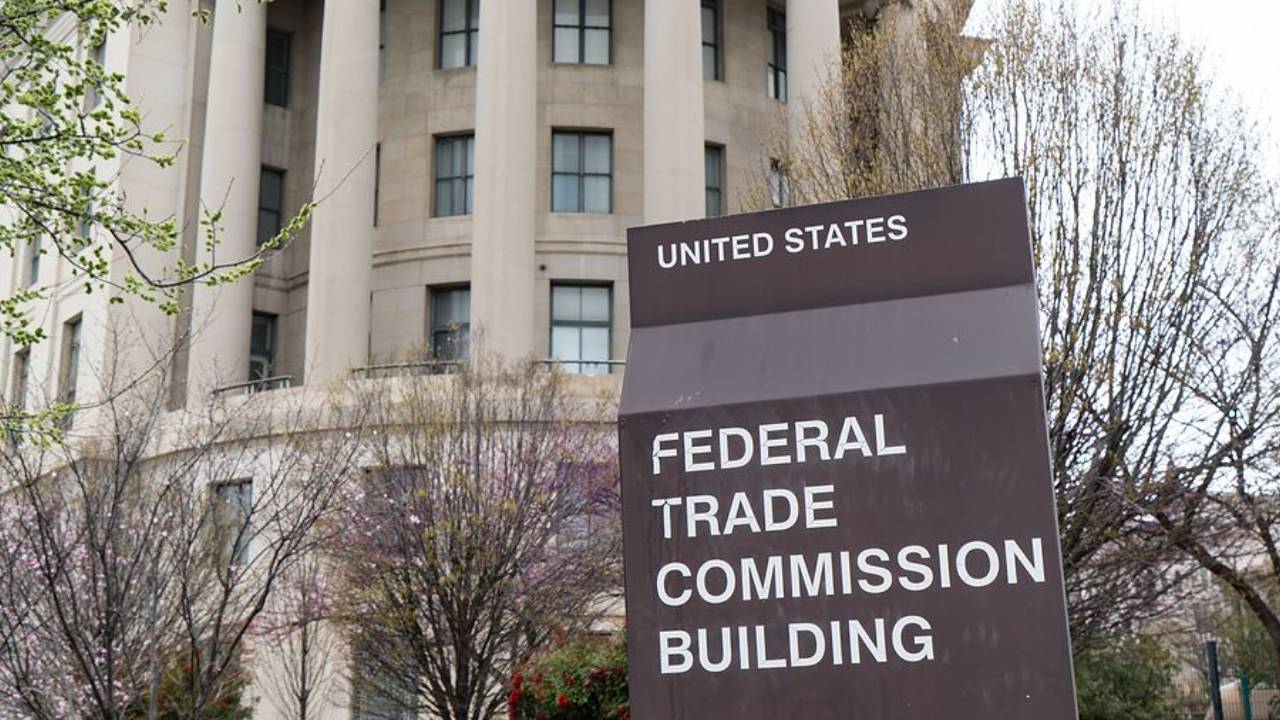
FTC Puts Companies on Notice Over Personalized Pricing
Aug 24, 2026The FTC says companies using personal data to set individualized prices may need to tell consumers when a price is personalized and what data helped determine it.
UPDATE, Sept. 3, 2026: The FTC extended the public comment period on its proposed personalized pricing enforcement policy statement by seven days. Comments are now due September 25, 2026.
The Federal Trade Commission is putting companies on notice about how they use consumer data to personalize prices.
In a proposed enforcement policy statement issued August 19, the FTC said businesses may violate federal law when they use personal data to set an individualized price without adequate disclosure in situations where consumers reasonably expect everyone to see the same price.
The proposal does not ban personalized pricing.
The FTC says it does not have authority to prohibit the practice in every circumstance. Instead, the agency says it can use its existing authority under Section 5 of the FTC Act when personalized pricing practices are unfair or deceptive.
Subscription businesses already use customer data to shape offers, discounts and other parts of the subscriber experience.
The FTC is looking more closely at what happens when that same data helps determine the price a specific customer sees.
What the FTC Means by Personalized Pricing
The FTC is focused on prices set using information about an individual consumer, including estimates of how much that person may be willing to pay or how likely they are to shop elsewhere.
That doesn't mean every price difference is personalized pricing.
Prices can vary because of supply and demand, location, taxes or other market conditions. Some products, including insurance and credit, also use individual characteristics as part of pricing.
The FTC's concern is with situations where consumers reasonably expect the same price to be broadly available, but personal information is being used to determine what an individual customer pays.
The agency gives some striking examples.
A hotel might charge someone more because personal data suggests the person is traveling for a funeral. A rideshare company could charge more because data shows the customer doesn't have competing rideshare apps installed.
The proposal also points to examples involving medical information and data showing that someone was recently the victim of a crime.
What Companies May Need to Tell Customers
When consumers reasonably expect a price to be broadly available rather than personalized, the FTC says companies using personalized pricing should clearly disclose that the price is personalized, what the personalization is based on and the types of data being used.
Simply telling someone they are receiving a "specially selected" price may not be enough, according to the proposal.
The agency also raises concerns about cases where a customer believes a personalized price is a discount based on their history with a company, but other personal information is actually being used to set the price.
How the company collected and uses that data can create another issue. Problems may arise when consumers were not adequately told their information would be used for personalized pricing or did not consent to that use, according to the FTC.
Why Subscription Operators Should Pay Attention
Some subscription businesses tailor acquisition offers. Others use different retention offers, upgrade paths or promotions based on what they know about a subscriber.
The FTC proposal does not say those practices are automatically unlawful.
It does put a sharper focus on one question as pricing becomes more personalized:
Does the customer understand why they are seeing this price?
That becomes especially important when a business is using personal data to estimate what an individual customer may be willing to pay.
The FTC is accepting public comments on the proposed policy through September 18, 2026.
Insider Take
Personalization is already a familiar part of the subscription experience. Pricing is a more sensitive use of that same customer data.
Using data to choose a relevant offer is different from using it to decide what price one particular customer will see. The FTC's proposal focuses on the second practice and how it is disclosed.
The proposal doesn't settle every question around personalized pricing. It does put more attention on what customers know about the price they are being shown and the data behind it.
As pricing becomes more individualized, operators may also have to consider what customers understand about how their prices are set.
Related Member Resources
For more context on how the FTC uses Section 5 of the FTC Act in subscription practices, consumer data, privacy, and enforcement:
Sources
Reported by: